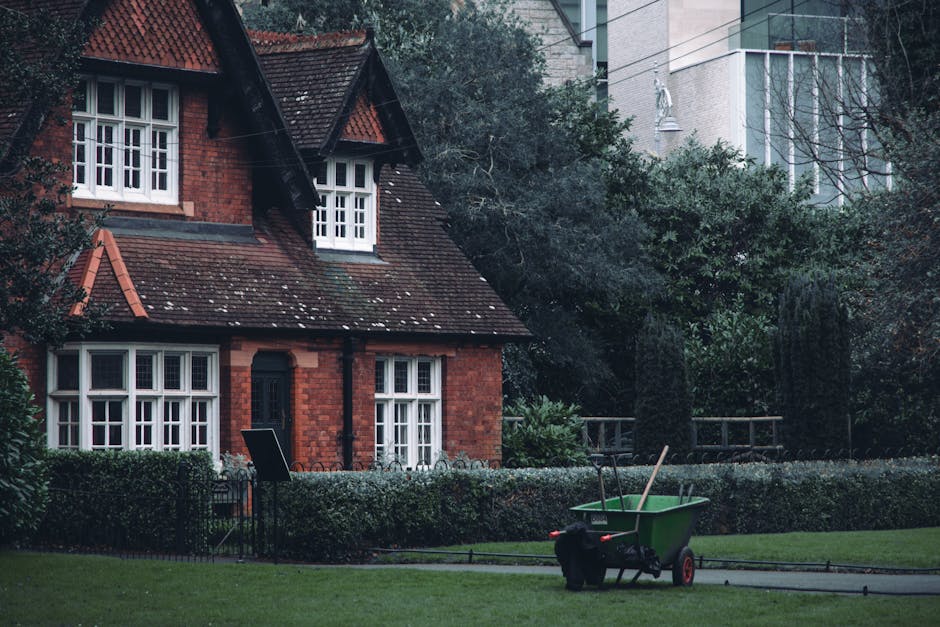
Do I need a permit for garden work Kentish Town gardeners: what homeowners and landlords should know
If you are planning garden work in Kentish Town, the permit question comes up quickly. And fair enough. A simple tidy-up rarely needs approval, but bigger jobs can involve permissions, access issues, skips, parking, protected trees, waste handling, or work near shared boundaries. So the real answer to Do I need a permit for garden work Kentish Town gardeners is: sometimes yes, sometimes no, and it depends on the type of work, where it happens, and how disruptive it will be.
This guide breaks it down in plain English. You will learn when permits are usually relevant, what local checks to make before work starts, how professional gardeners handle the admin side, and what to avoid if you want the job to run smoothly. If you are comparing services as well as rules, you may also want to review the team's garden services overview and see how quotes are handled through the pricing and quotes page.
Table of Contents
- Why the permit question matters
- How permits and garden work usually work
- Key benefits and practical advantages
- Who this is for and when it makes sense
- Step-by-step guidance
- Expert tips for better results
- Common mistakes to avoid
- Tools, resources and recommendations
- Law, compliance, standards and best practice
- Options, methods or comparison table
- Case study or real-world example
- Practical checklist
- Conclusion
- Frequently asked questions
Why Do I need a permit for garden work Kentish Town gardeners Matters
The short version? Because garden work does not happen in a vacuum. In a place like Kentish Town, a job can affect neighbours, pavements, parking bays, trees, drainage, waste collection, and access to properties. That is why the permit question is not just admin for admin's sake. It is about avoiding delays, complaints, and awkward surprises halfway through the job.
Let's face it, nobody enjoys discovering on a Thursday morning that a skip cannot be placed where the contractor planned, or that a tree work job needs extra checks before anyone touches a branch. A bit of preparation saves a lot of standing around with tea getting cold.
For smaller domestic jobs, no permit may be needed at all. But once the work involves one or more of these things, it is worth pausing and checking:
- placing a skip or bag in the street
- temporary parking suspension or bay restrictions
- tree pruning or removal near protected trees
- work that affects public paths or communal access
- significant hedge reduction or boundary changes near neighbouring land
- large-scale clearance that creates waste handling issues
In practical terms, the permit question matters because the wrong assumption can cost time and money. If you are hiring help, it also affects how the job is scoped. A good gardener will ask sensible questions before quoting, rather than pretending every outdoor job is the same. If you want to understand who the business is and how it works, the about us page is a useful place to start, and the insurance and safety information helps explain the practical side of risk management.
How Do I need a permit for garden work Kentish Town gardeners Works
There is no single blanket rule for all garden work. Instead, different parts of the job may trigger different permissions or checks. Some are formal permits. Others are permissions, consents, or simple good practice. That distinction matters, because people often say "permit" when they really mean "approval of some sort".
Here is the simplest way to think about it.
- Routine garden maintenance such as mowing, weeding, edging, light pruning, and planting usually does not need a permit.
- Waste removal may require a skip permit or another arrangement if containers sit on public land.
- Parking and access can require advance planning if a vehicle must use a controlled bay or loading space.
- Tree work may require extra care if trees are protected or if the property sits in a conservation area.
- Boundary or structural changes can trigger neighbour discussions or formal consent depending on what is being altered.
In real life, the most common issue is not the gardening itself. It is the logistics wrapped around it. A hedge cut is rarely the problem. The van blocking access, the heavy waste bag, or the need to work near a street tree is where planning becomes important. Morning light, a narrow residential street, a few parked cars, and suddenly the job is not as simple as it looked on paper.
Professional gardeners usually work through this in stages: assess the site, identify possible restrictions, decide whether an external approval is needed, then schedule the work accordingly. That is the safe, boring, reliable way. And boring is good here.
Key Benefits and Practical Advantages
Checking permit needs before work starts is not just about avoiding trouble. It makes the whole project cleaner and more predictable. You can think of it as the difference between a smooth garden refresh and a slightly messy logistical puzzle.
Here are the main advantages:
- Fewer delays: jobs start when planned, rather than stalling over access or paperwork.
- Lower risk of fines or complaints: especially where parking, skips, or public land are involved.
- Better cost control: permit-related charges can be planned into the quote instead of appearing later.
- Safer working conditions: proper planning helps gardeners manage waste, tools, and site access responsibly.
- Smoother neighbour relations: fewer surprises, less blocked access, less noise-related friction.
There is also a quality benefit that people do not always mention. When a gardener takes compliance seriously, the whole service usually feels more organised. The site is assessed properly. Expectations are clearer. The end result tends to be tidier too. Not flashy, just dependable. Which, frankly, is what most people want.
If sustainability is part of your decision-making, you may also find it helpful to read the team's recycling and sustainability information. Garden clearance and disposal can be handled in a more thoughtful way when the plan is made early.
Who This Is For and When It Makes Sense
This topic matters to more people than you might think. It is not only for homeowners with a big redesign in mind. A permit check can be relevant for landlords, tenants, letting agents, blocks of flats, and small businesses with outdoor space.
You are likely to need a closer look if you are:
- planning a major garden clearance
- arranging hedge cutting close to a footpath or boundary
- booking tree pruning, crown reduction, or removal
- needing a skip, cage, or large waste collection vehicle
- working from a property with limited access or controlled parking
- responsible for a shared garden, communal courtyard, or managed outdoor area
A quick example: if you are trimming a small front hedge on private land, you will probably not need anything formal. But if the work involves a large bay tree, a skip on the road, and a tight street where parking is already a battle, then the question changes completely. It is no longer just gardening; it is an organised outdoor works project.
That is usually the point where people bring in a local team who knows the area well. The right questions get asked early, and there is less guesswork later.
Step-by-Step Guidance
If you are not sure whether a permit is needed, use this simple approach. It keeps things practical and avoids overcomplicating the first conversation.
- Define the work clearly. Is it maintenance, clearance, tree work, landscaping, or something more structural?
- Check where the work happens. Private garden, front garden, shared space, pavement edge, or near the road?
- Think about access. Will a van, trailer, skip, or waste bag need to sit on public land?
- Consider tree status. If trees are large, mature, or in a sensitive setting, pause before cutting.
- Review waste and disposal needs. A small bin bag is one thing; several cubic metres of green waste is another.
- Ask about parking and loading. Even a short job can be affected by street restrictions.
- Speak to the gardener before booking. A professional should flag likely issues early.
- Confirm what is included in the quote. If permits, parking, or disposal costs are involved, get that clear first.
A useful habit is to take two or three photos of the site before speaking to anyone. One of the entrance, one of the garden, one of the street outside. You do not need a professional survey. Just enough to show what the gardener will be dealing with. Tiny detail, big help.
If you need to ask questions directly, the contact us page is the obvious next step. For terms around bookings and expectations, the terms and conditions page is worth checking too.
Expert Tips for Better Results
Here is where a bit of practical experience helps. The best garden jobs are usually the ones where nobody is rushing to solve avoidable problems on the day.
Tip 1: Separate the garden work from the logistics. Ask what the gardener is actually doing, then ask what extra arrangements the job needs. Those are not the same thing.
Tip 2: Don't assume tree work is routine. Even a straightforward prune can become more sensitive if the tree is notable, shared, or close to a public boundary.
Tip 3: Be specific about access. If a gate is narrow, a path is uneven, or there are steps, say so. It sounds obvious, but you would be surprised how often this gets missed.
Tip 4: Plan waste before you cut. If a lot of material is coming out, know where it will go. That alone prevents a lot of chaos.
Tip 5: Allow time for checks. If approval is needed, do not leave it until the night before. A calm lead-in is worth more than a rushed start.
In our experience, the smoothest jobs are not the ones with the fanciest tools. They are the ones where the right questions were asked early.
To be fair, most people do not want a lecture on permits. They just want the garden sorted without hassle. That is entirely reasonable. The trick is to keep the admin invisible by dealing with it properly at the outset.
Common Mistakes to Avoid
When people run into problems, it is usually because one of a handful of familiar mistakes slipped through. Nothing dramatic. Just the kind of thing that is easy to miss when you are focused on the garden itself.
- Assuming all garden work is permit-free. Some jobs are simple. Others are not.
- Forgetting about street access. A private garden can still create public-space issues.
- Ignoring tree-related restrictions. Cutting first and checking later is a bad sequence.
- Not planning waste removal. Green waste piles up quickly once work starts.
- Leaving permission checks too late. The clock has a way of making this more stressful than it needs to be.
- Booking on price alone. The cheapest quote can become expensive if it does not include the practical extras.
One common human habit is to look at the visible part of the job and ignore the invisible part. You can see the hedge. You cannot immediately see the parking restriction, the neighbour access issue, or the waste loading problem. But those are often what shape the final outcome. A little boring planning saves a lot of messy improvising.
Tools, Resources and Recommendations
You do not need a huge toolkit to answer the permit question well. What you do need is a clear process and the right supporting information.
Useful things to have to hand:
- photos of the garden and street access
- approximate dimensions of the area to be worked on
- a brief description of the task
- any known neighbour or landlord requirements
- notes on parking restrictions or loading limitations
- details of any trees, shared boundaries, or conservation concerns
On the business side, you may also want to review the company's approach to trust and responsibility. The health and safety policy can help reassure you that work is being planned carefully, while insurance and safety explains how professional risk is handled. For people who like the practical detail before committing, the pricing and quotes page is useful for understanding how estimates are put together.
If you are booking on behalf of a building, landlord portfolio, or shared property, it can also help to check the company's about us information to see whether the style of service fits your expectations. Sometimes that little check saves a lot of back-and-forth. And yes, the most boring-looking page can sometimes be the most useful one.
Law, Compliance, Standards and Best Practice
Garden work in the UK is shaped by a mix of local permission issues, property responsibilities, and general safety practice. Not every job touches formal regulation, but when it does, it usually falls into one of a few familiar areas.
These include:
- tree protection and local restrictions where applicable
- safe waste handling and responsible disposal
- public access considerations if work affects pavements or streets
- site safety for workers, residents, neighbours, and visitors
- contract clarity so the client knows what has been agreed
Best practice is simple: do not guess where permission might matter. If the task is ordinary maintenance on private land, the risk is low. If the job introduces a public impact, a protected tree, or substantial material removal, then checks should happen before anything begins. That is the point where professional judgment counts.
For customers, this is reassuring because it reduces uncertainty. For gardeners, it is a sign of a proper setup. No drama, no shortcuts. Just a straightforward, responsible process.
Options, Methods, or Comparison Table
Sometimes the easiest way to decide whether a permit or extra approval is likely is to compare the type of work with the practical risk around it.
| Type of garden work | Typical permit risk | What to check first | Best approach |
|---|---|---|---|
| Routine mowing, weeding, planting | Low | Access and noise only | Usually book directly |
| Hedge trimming near a boundary | Low to moderate | Neighbour side, ownership, overhang | Confirm boundaries before work |
| Tree pruning or removal | Moderate to higher | Tree status, local restrictions, access | Check before any cutting starts |
| Garden clearance with large waste volumes | Moderate | Disposal route, skip or collection plan | Plan waste and access in advance |
| Work needing road or bay use | Higher | Parking, loading, public land use | Allow extra time for permissions |
The table is not a substitute for site-specific checks, but it is a useful way to judge where the risk sits. If a job moves from "garden tidy" into "logistics and access challenge," that is your signal to slow down and ask more questions.
Case Study or Real-World Example
Here is a realistic example from the kind of job local gardeners see all the time.
A homeowner in Kentish Town wanted a compact rear garden cleared, the old shrubs reduced, and a medium-sized hedge cut back. Straightforward enough. But there was a narrow side passage, no rear vehicle access, and the only practical way to remove waste was through the front. Then came the next wrinkle: the street had limited parking and a controlled bay close to the property.
On paper, it looked like a simple day's work. In practice, it needed a bit of choreography. The gardener checked access, planned the waste removal route, and confirmed whether parking or loading arrangements needed attention. The job still happened smoothly, but only because the logistics were handled before the first cut was made.
That is the real lesson. Most permit or approval issues do not announce themselves with a drumroll. They appear quietly, in the edges of the job. A gate too narrow. A waste pile too large. A tree that is a little more sensitive than it first looked. Nothing dramatic, just enough to cause delay if ignored.
And once you see it that way, the process becomes much simpler. Check first. Cut second. Clean up last. Nice and steady.
Practical Checklist
Use this before you book or start garden work in Kentish Town.
- Have I described the job clearly?
- Is the work fully on private land?
- Will any vehicles, skips, or waste containers use public space?
- Are there protected, mature, or boundary-sensitive trees involved?
- Could neighbours be affected by access, noise, or overhanging work?
- Do I know how waste will be removed?
- Have I checked parking and loading restrictions?
- Have I asked the gardener whether any permit or consent is likely?
- Is the quote clear about extras, if any?
- Do I have photos ready to share if needed?
If you can answer those honestly, you are usually in a good position. If one or two answers are unclear, that is not a problem. It just means there is a little more checking to do before the job is locked in.
Get a free quote today and see how much you can save.
Conclusion
So, do you need a permit for garden work in Kentish Town? Sometimes, but not always. Routine maintenance on private land is usually straightforward. The situations that need closer attention are the ones involving public access, parking controls, substantial waste, or sensitive tree work. That is the heart of it.
The safest approach is simple: define the job, check the access, think about waste and trees, and ask early if anything sounds borderline. A reliable gardener will not mind those questions at all. In fact, they should welcome them.
If you want the work handled neatly, with the practical bits sorted before they become problems, that is the calmest route. And to be honest, calm is underrated. A tidy garden is nice. A tidy process is nicer.
There is a certain relief in knowing the job is properly planned before a single spade goes into the soil. That is where good local service really shows.
Frequently Asked Questions
Do I need a permit for basic garden maintenance in Kentish Town?
Usually not. Simple maintenance such as mowing, weeding, planting, and light pruning on private land normally does not require a permit. The main exceptions are when the work affects public space, trees with restrictions, or access arrangements outside the property.
When would garden work need a permit or permission?
Permission may be needed for skips on the road, parking suspensions, work affecting pavements, tree work with local restrictions, or other tasks that use public land or create a wider impact. The exact requirement depends on the job, not just the garden.
Do gardeners usually handle permit checks for me?
Many professional gardeners will flag likely permit issues during the quotation or planning stage. Some arrangements are handled by the client, some by the contractor, and some are shared. It is best to ask early so everyone knows who is responsible for what.
Does a garden clearance need a permit?
Not always. The clearance itself may be fine, but the disposal side can raise issues if waste containers, skips, or vehicles need to use public space. Large clearances are the kind of job where planning matters more than people expect.
Do tree pruning and tree removal need special checks?
Often they do. Trees can be subject to local protections or other restrictions, especially if they are mature, visible, or in sensitive locations. Even when no formal permission is needed, it is wise to check before any cutting begins.
What if I am in a flat or shared garden?
Shared gardens can be more complicated because access, neighbour consent, and management rules may come into play. A quick check with the freeholder, managing agent, or building representative is usually sensible before booking the work.
Can a skip for garden waste go on the street?
Sometimes yes, but that may require a permit or other approval depending on where it is placed. If the skip is on private land, the process is usually simpler. Street placement is where you need to be more careful.
How do I know whether my garden is likely to have restrictions?
Look for mature trees, shared boundaries, narrow access, limited parking, or any sign that the property edges onto public land. If you are unsure, send photos and a description to the gardener. A quick review usually makes the answer clearer.
Will permit issues affect the price of the job?
They can. If extra planning, access arrangements, parking costs, or waste handling are needed, those factors may be reflected in the quote. That is why a clear site description helps keep pricing realistic from the start.
What should I tell a gardener before they quote?
Tell them what work you want done, whether there are trees involved, how access works, whether there is parking nearby, and whether any waste needs removing. Photos are helpful too. The more specific you are, the better the quote will be.
Is it safer to ask about permits even if I think none are needed?
Yes. A quick check can prevent delays and misunderstandings. Even when the answer is "no permit needed," you gain confidence that the job is properly planned. That is never wasted effort.
Where can I get help if I am still unsure?
The best next step is to speak to a local gardening service with experience of Kentish Town properties and their access quirks. If you want to discuss a specific job, use the contact us page and share as much detail as you can. It makes the whole process easier, and usually quicker too.